City Highlights 2026 Parks and Stream Restoration Projects at Summer Kickoff Press Conference
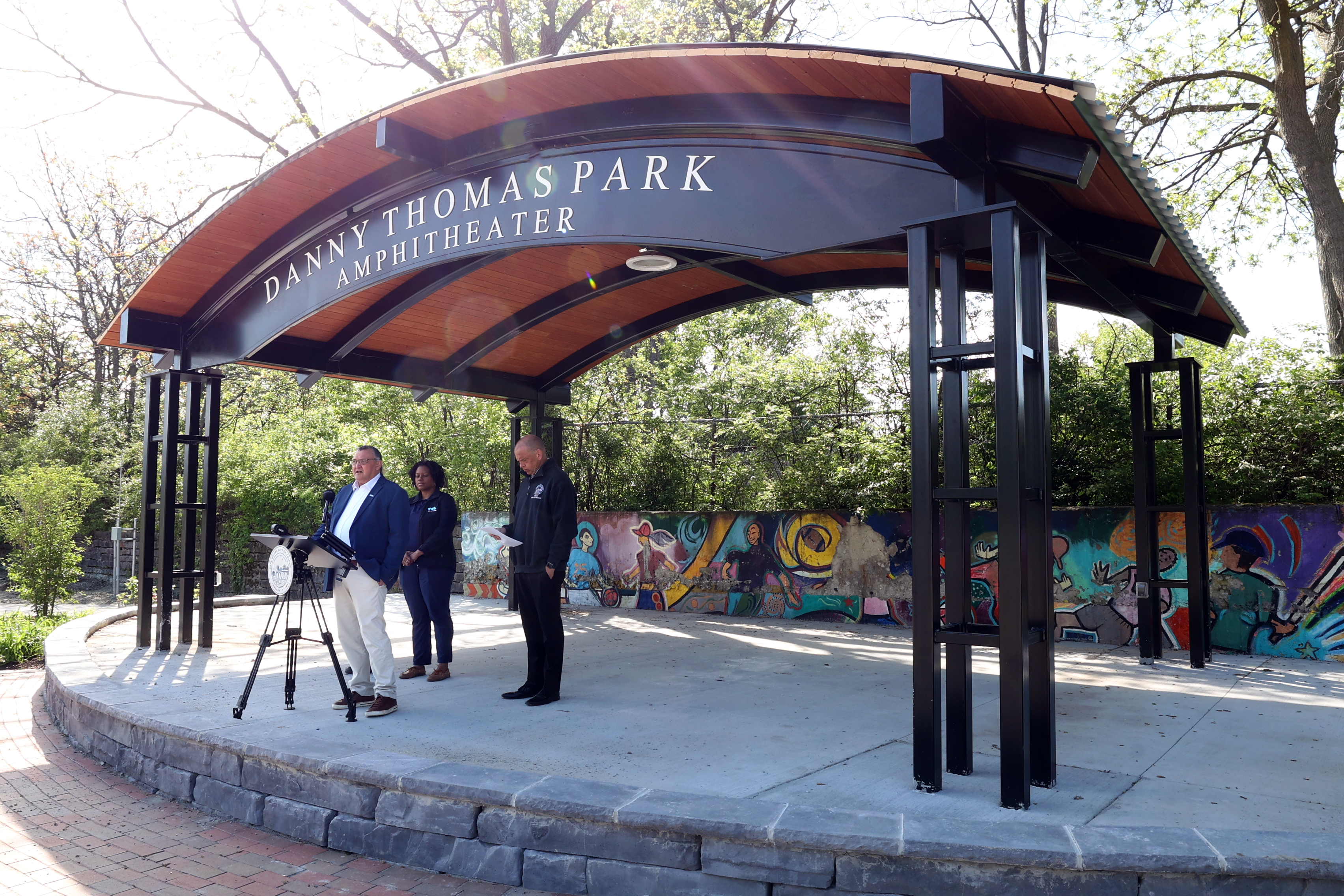
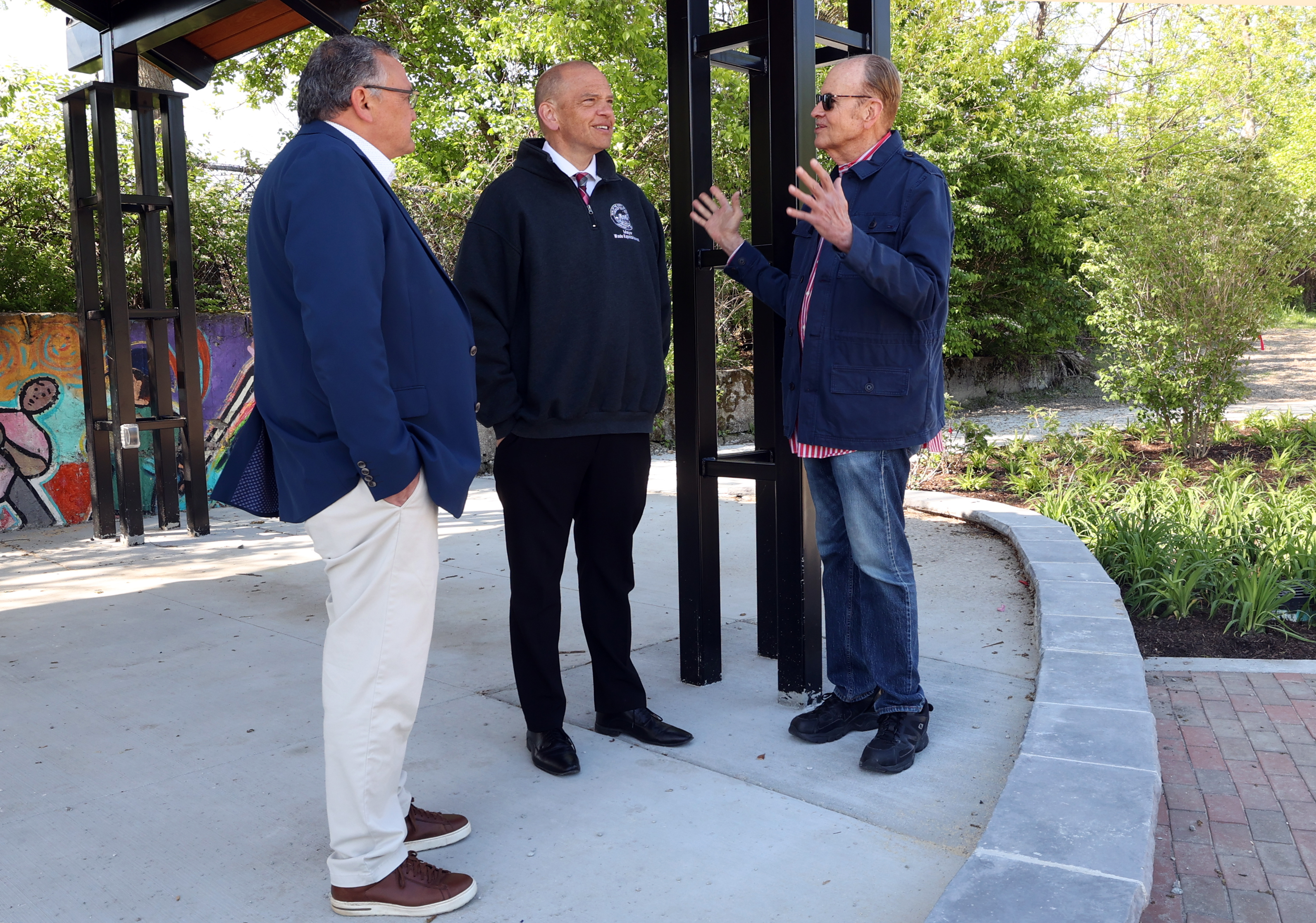
The City of Toledo announced more than $4 million in park improvements planned for 2026 and highlighted major stream restoration projects during an event at the newly renovated amphitheater at Danny Thomas Park.
The announcement reflects a broader, ongoing investment in the city’s park system. Over the past four years, Toledo has invested approximately $25 million in parks and recreation facilities by leveraging $13.5 million in American Rescue Plan funding along with additional grants and donations. While ARPA funding has ended, officials said investment will continue through a combination of local funding, grants, and partnerships.
More than $4 million in capital improvements are planned for 2026 across neighborhood parks, continuing a citywide effort to improve access to safe, modern, and welcoming public spaces.
Planned 2026 park improvements include:
• Mayfair Park playground replacement and sidewalk extension – $250,000
• Dale Stone Park playground replacement – $225,000
• Greenwood Park playground replacement – $250,000
• Collins Park playground replacement – $250,000
• Jamie Farr Park playground replacement – $250,000
• Pontiac Preserve opening to the public – $750,000
• Westwood football field renovations – $40,000
• Fort Meigs Sertoma Park new pickleball courts – $175,000
• Friendship Park basketball court renovation – $80,000
• Ottawa Park Bancroft side restroom access improvements – $90,000
• Savage Park revitalization – $2,150,000
The event also focused on stream restoration projects designed to improve water quality, reduce flooding, and restore habitat across Toledo’s waterways.
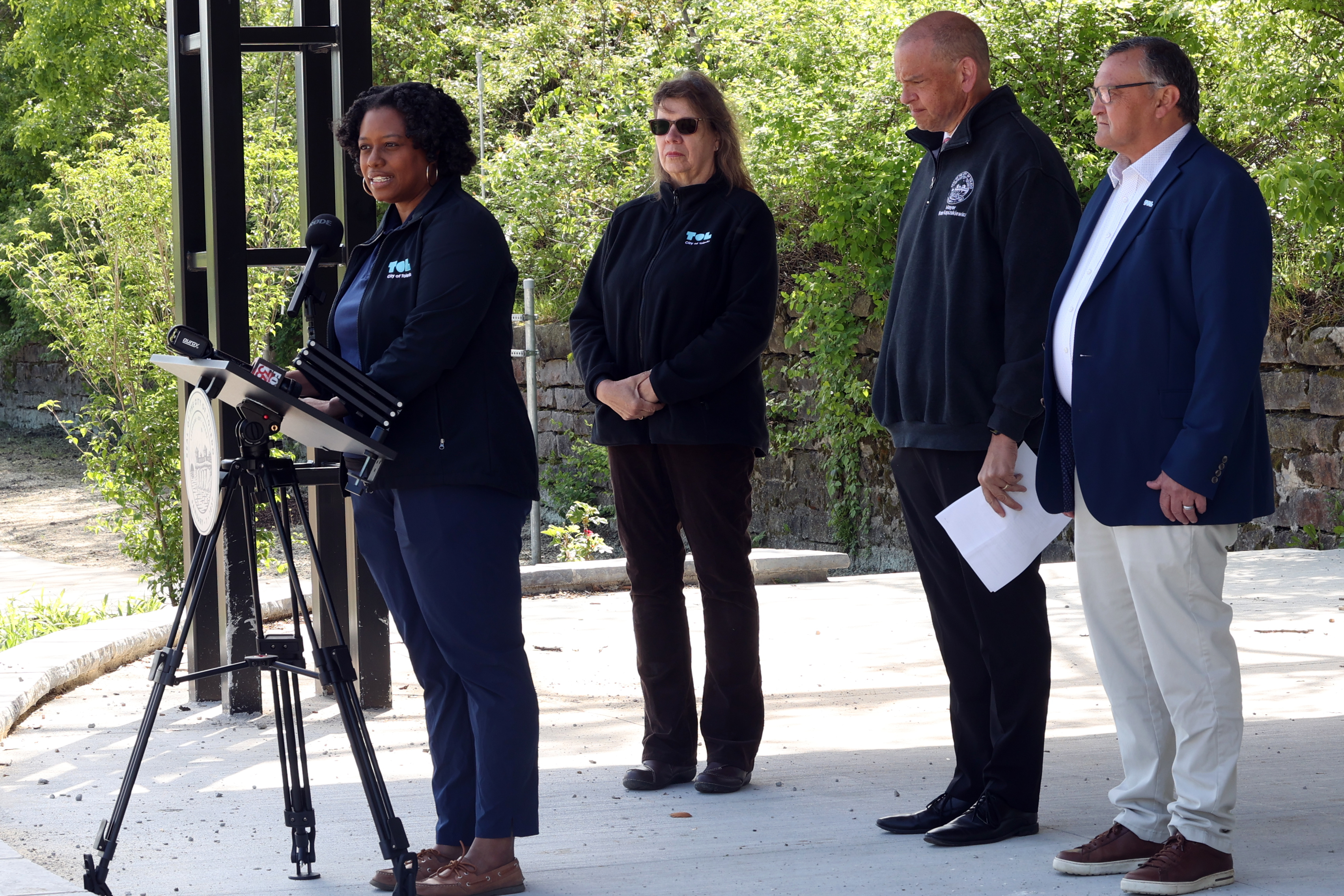
LaShawna Weeks, Senior Environmental Specialist, presented on the City’s efforts, explaining that many local streams were historically straightened, deepened, or placed into culverts to move stormwater quickly through urban areas. While effective for drainage, those changes increased erosion, degraded habitat, and allowed polluted runoff to flow directly into larger waterways, including the Maumee River and Lake Erie.
Current restoration work is designed to reverse those impacts by restoring more natural stream function. Projects focus on slowing water, stabilizing streambanks, reconnecting floodplains, and reintroducing native vegetation that helps filter runoff.
At Detwiler Golf Course, crews are in the construction phase of a stream restoration project along a one-mile stretch of Detwiler Ditch. The work includes restoring wetland habitat, stabilizing more than 2,000 feet of streambank erosion, and establishing over 6,000 feet of riparian buffer. Crews are also reshaping the landscape with berms and natural drainage features that capture stormwater and allow it to soak into the ground before entering the stream.
Phase II of the Delaware Creek Project will continue efforts to reduce erosion and stabilize the hillside and streambank, which have been impacted by high volumes and velocity of stormwater runoff, particularly from an outfall draining the Anthony Wayne Trail. The project will strengthen and stabilize the streambank, improve water quality, and restore habitat in the main channel to support healthier benthic, or aquatic insect, communities and fish populations downstream. Work will also include installing habitat structures and seeding native vegetation to support long-term ecological health. The project is funded by a $500,000 Great Lakes Restoration Initiative grant, with construction scheduled for 2026.
Additional work is taking place as part of the Collins Park Stream Restoration Project at Duck’s Creek, where past channelization and underground culverts significantly altered the stream and reduced habitat for fish and aquatic life. Restoration efforts are improving in-stream habitat, reducing sedimentation, and reintroducing natural features that support native species.
These projects are part of a broader effort to improve conditions in the Maumee Area of Concern by addressing long-standing environmental challenges related to water quality and aquatic habitat.
“These projects are about more than upgrades. They are long term investments in the health of our parks, our waterways, and our neighborhoods,” Weeks said.
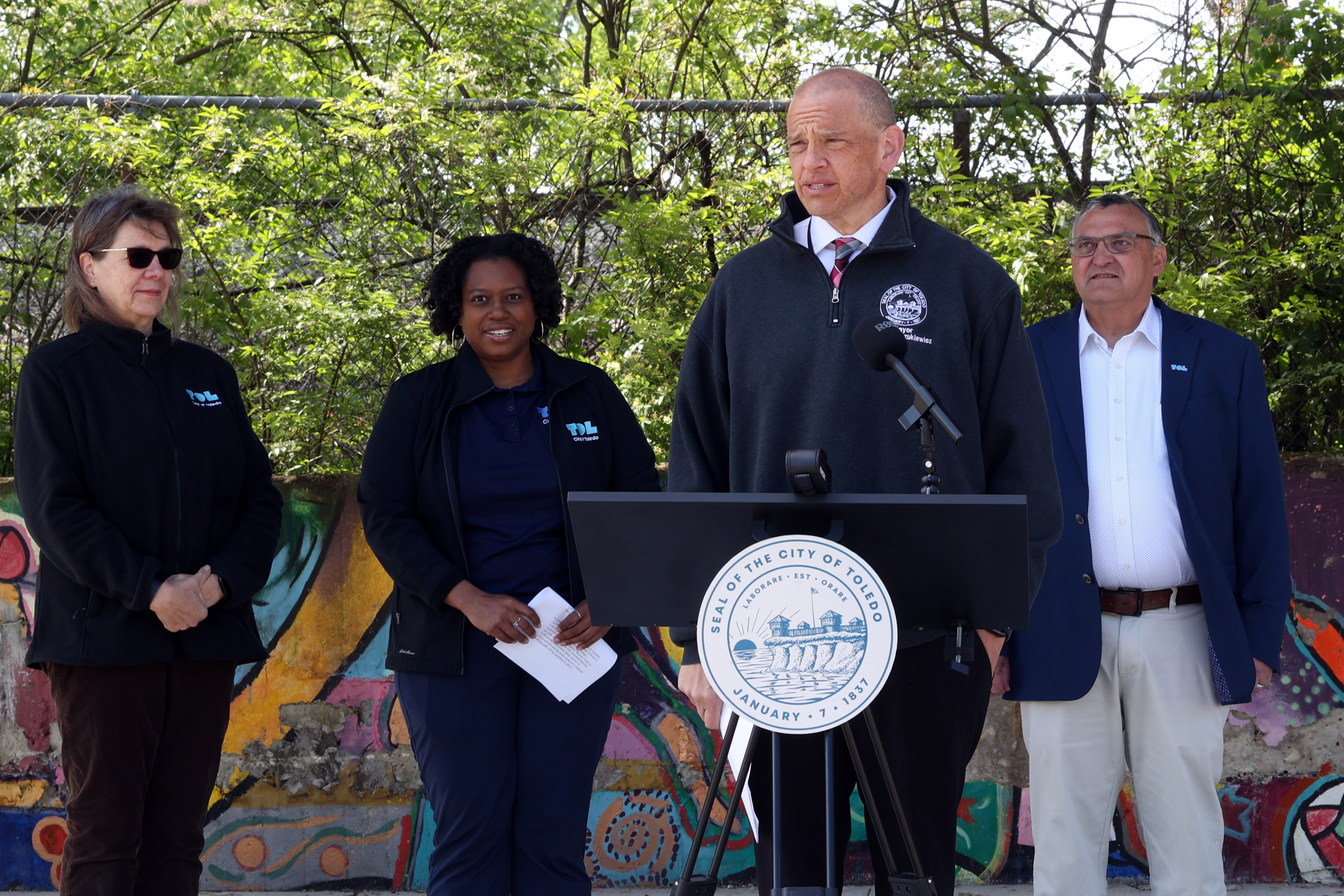
“We are proud to continue investing in our parks and bringing meaningful improvements into neighborhoods across the city,” Joe Fausnaugh, Director of Public Services, said. “These projects create spaces where people can gather, stay active, and enjoy their surroundings safely.”
###